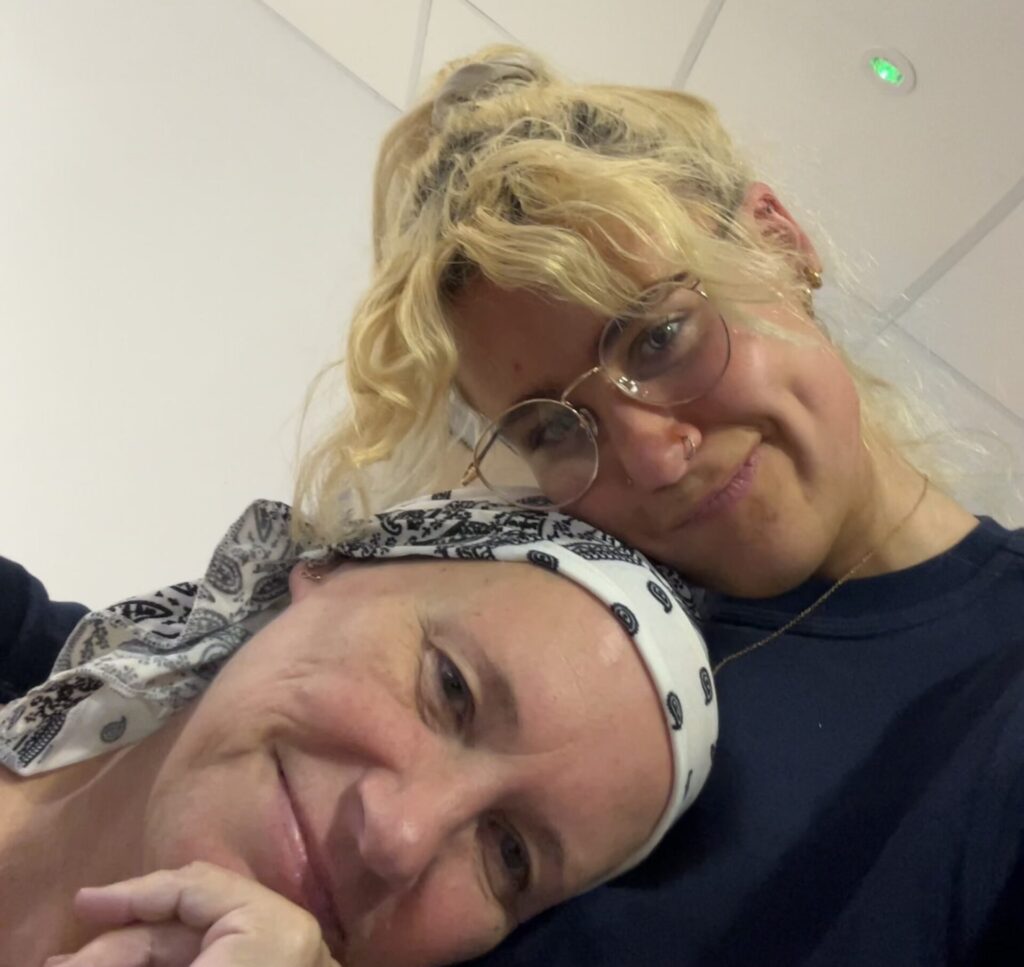
Lee’s Story
Lee’s story On 9th April 2025, I discovered I was pregnant. As a first-time mum, I was overjoyed.…
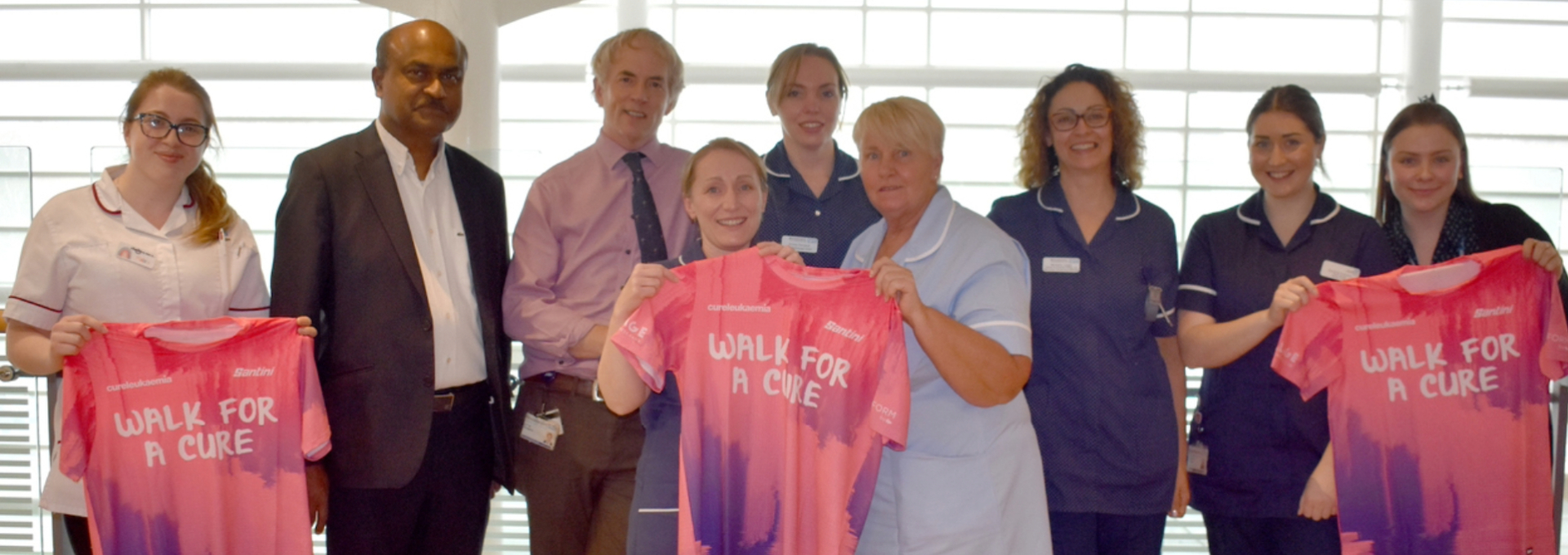
The TAP network is a national infrastructure that links the UK’s leading blood cancer centres through a team of specialist research nurses funded by Cure Leukaemia. This unique setup ensures that adults with blood cancers such as leukaemia, lymphoma and myeloma can be offered access to clinical trials of pioneering new treatments wherever they live in the UK.
By removing delays in opening and running trials, TAP has already enabled more than 1,200 patients to join 22 ground-breaking studies. It has cut the average trial set-up time from around 30 months to less than a year and secured over £100 million worth of free drugs for the NHS, meaning patients benefit sooner while the health service saves vital resources.
TAP has made the UK one of the most attractive places in the world for pharmaceutical companies to run clinical trials, accelerating progress towards new standard treatments for blood cancer patients.
Over 1,200 patients have benefited from clinical trials as part of the TAP Network
This pioneering Phase 2 platform trial is evaluating Zanubrutinib therapy in adults with relapsed brain lymphoma. In the first year, 20 patients with this rare and aggressive blood cancer were recruited, with first results due to be presented at an international conference next month. Later this year, recruitment will re-commence for a further 20 patients using a world-first three-drug combination, offering long-term hope for those facing limited treatment options.
A Phase 2 randomised trial for adults with Richter’s syndrome, a rare and aggressive form of lymphoma. The STELLAR trial is the first randomised trial for Richter’s syndrome in the UK, and it demonstrates the nation’s growing ability to run trials in rare diseases. The study also includes crucial translational research that will help tailor future therapies.
One of the TAP Network’s highest recruiting studies, AMMO trial tests a new drug in treating and extending the lives of patients with a rare bone marrow cancer, where treatment options are very limited. The treatment can be taken orally at home, making it much more convenient for patients.
Focused on patients with Myelofibrosis, the Fedora trial is tackling a critical area of unmet need, gathering information about whether a combination of treatments is tolerated, and whether it provides a therapeutic benefit to patients. The FEDORA Trial has now completed recruitment, with results expected to be published soon.
Lee’s Story
Abigail’s Story
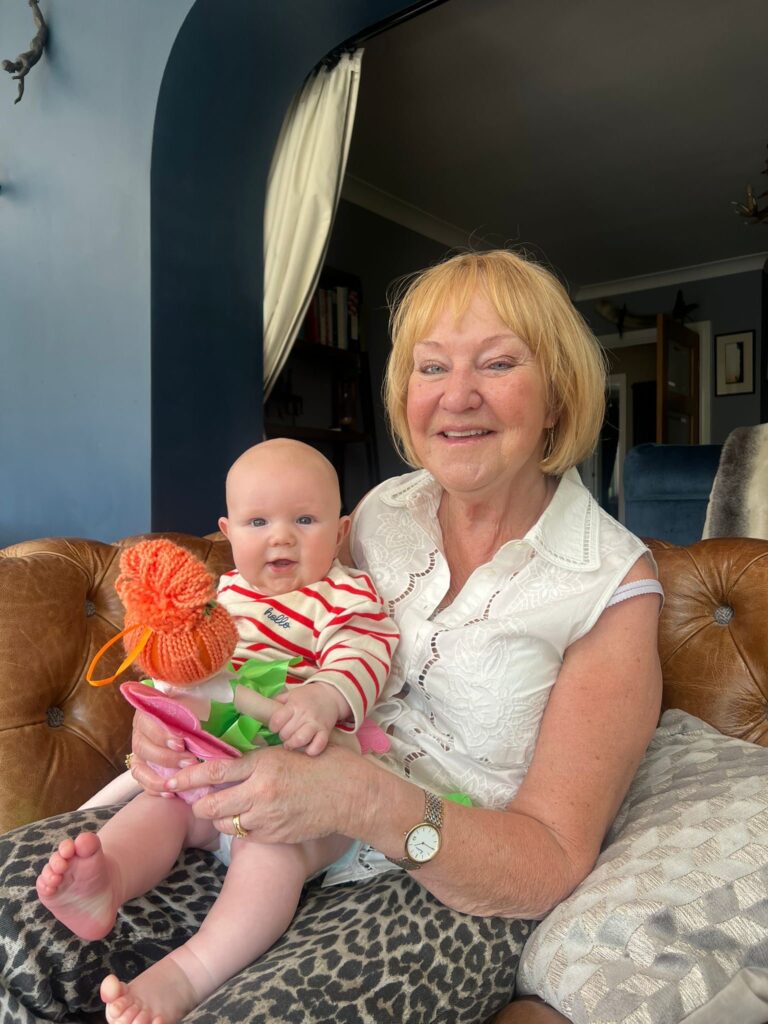
Christine’s Story
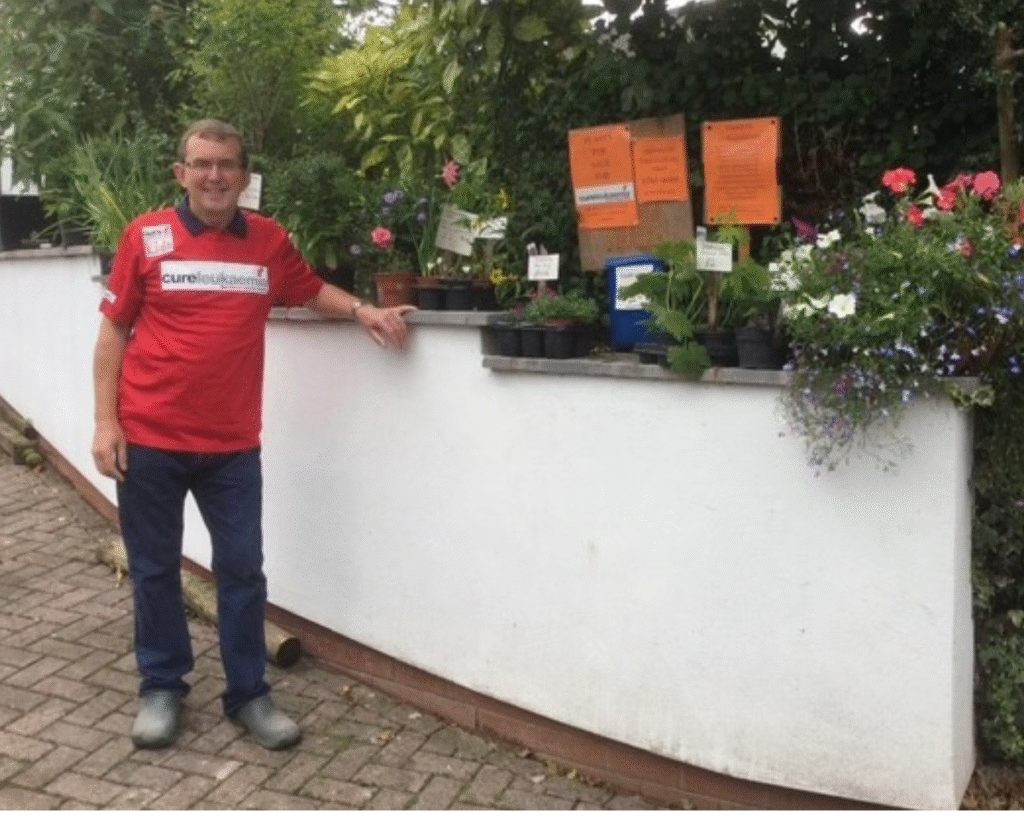
Steve’s Story
Morgan’s Story
Kathryn’s Story
Elizabeth’s Story
Neil’s Story
Rob’s Story