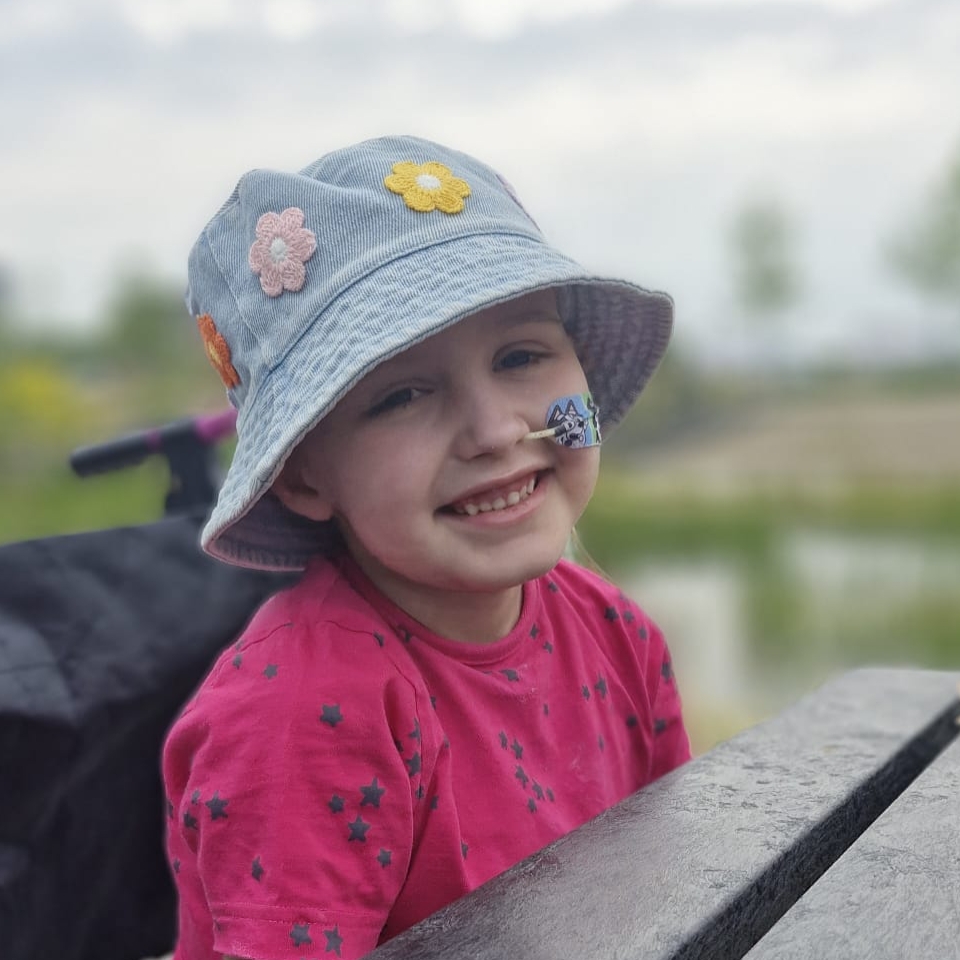
Isla is a bright, creative, and joyful six-year-old who loves books, crafts, and spending time with her friends.
One morning in December 2024, Isla told her mum, Lauren, that she was too tired to walk to school. Lauren carried her across the street, thinking it was a passing phase — until she noticed bruises forming on Isla’s body. Concerned, Isla’s parents took her to their GP, who referred them straight to the hospital for tests.
That evening, they were told the devastating news, Isla had Acute Myeloid Leukaemia (AML). Within hours, she was transferred to John Radcliffe Hospital in Oxford to begin treatment.
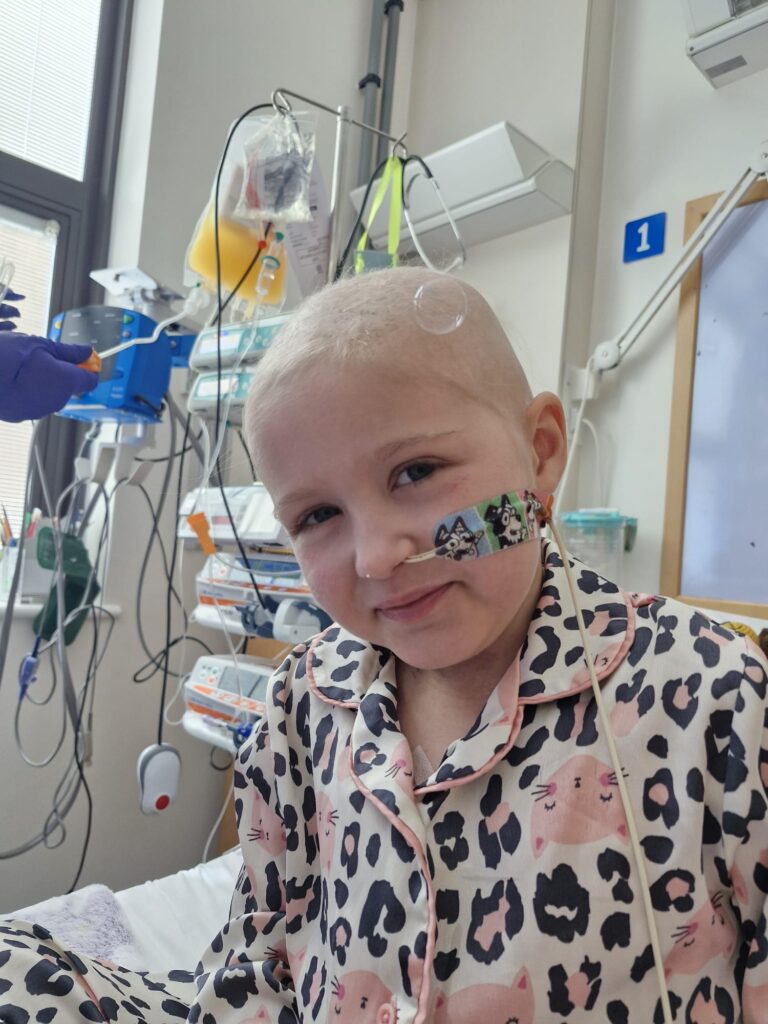
Isla began chemotherapy the very next day. It was a tough start — 10 days of three intensive drugs. The side effects hit hard, hair loss, constant sickness, and mucositis, which caused her mouth to bleed and swell shut. For two weeks, Isla couldn’t speak. But she stayed calm, writing notes and using gestures to tell nurses what she needed.
Eventually, doctors performed surgery to remove the clot — a procedure they hadn’t done before. Isla was placed in intensive care to recover.
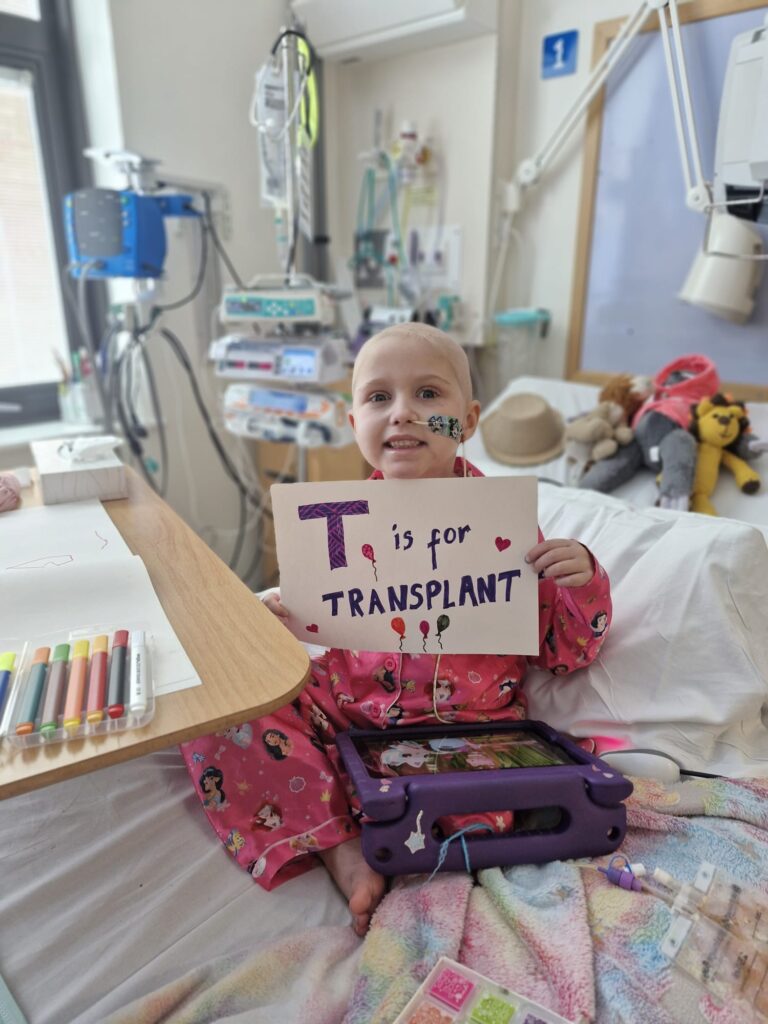
Further genetic testing revealed Isla’s AML was high-risk. She needed a second round of chemotherapy, followed by a bone marrow transplant at Addenbrooke’s Hospital in Cambridge.
But before the transplant, an MRI revealed that the disease had spread to her brain. Tumours had formed — and her treatment had to change. In February, she underwent a shorter but more intense round of chemotherapy. She grew weak and lost the ability to walk, but worked hard to recover. A repeat MRI in March showed the tumours had reduced in size — a sign of hope.
Isla was allowed home while her bone marrow recovered, spending time with her family in isolation, still crafting and smiling through it all.
In April, Isla was admitted to Addenbrooke’s for her transplant, but a new MRI showed the brain tumours had grown again. Her medical team adjusted the plan: three weeks of radiotherapy, followed by five days of chemotherapy, and then transplant. Radiotherapy began on her 6th birthday.
On 20th June, Isla received her bone marrow transplant. It took just 15 minutes — two and a half syringes of cells delivered through her central line. For Isla, it was like any other transfusion. For her family, it was a moment of overwhelming relief.
The weeks after transplant are some of the most dangerous. She has no immune system and any infection could become life-threatening. She’s already faced a serious infection in both legs, but with the help of a carefully tailored mix of antibiotics, she’s fighting through it.
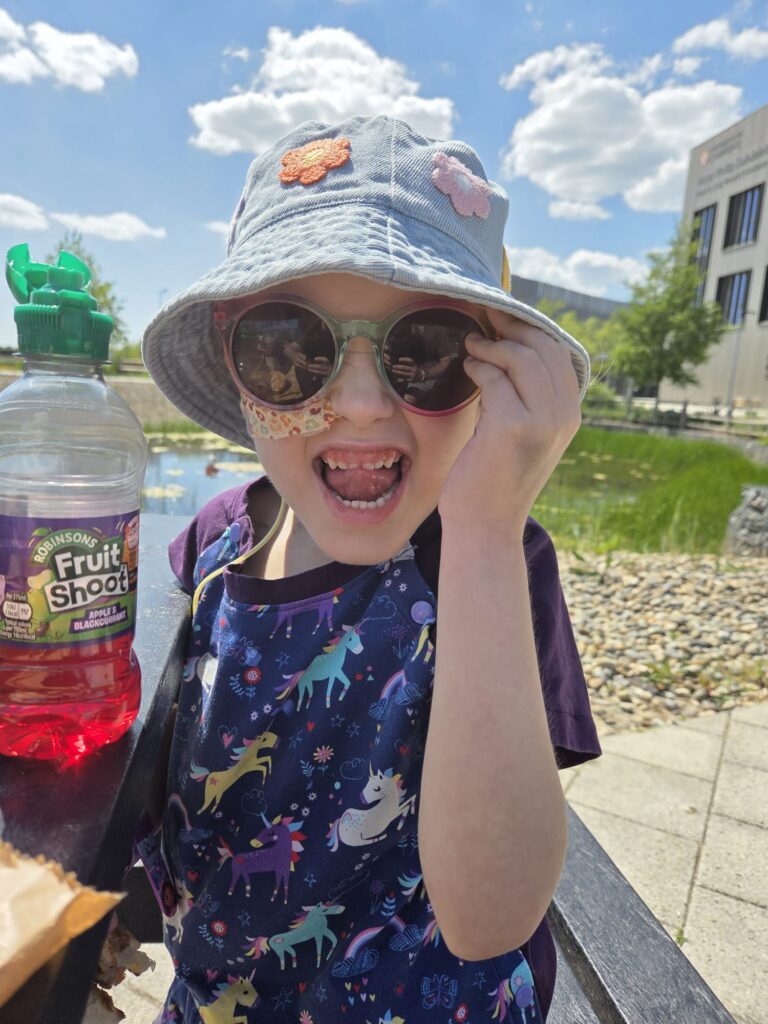
Despite the pain and fatigue, Isla keeps smiling, playing, and working on her crafts — her creative spirit shining through each day.
Isla’s story is a powerful reminder of why Cure Leukaemia’s work is so vital. Through the ATICUS Network, a national infrastructure of hospitals, researchers and clinicians, children like Isla receive faster diagnoses, more accurate treatment plans, and access to emerging clinical trials.
Isla’s journey has taken her across three major hospitals. Her treatment has involved dozens of specialists coordinating in real time — exactly what ATICUS is designed to support.
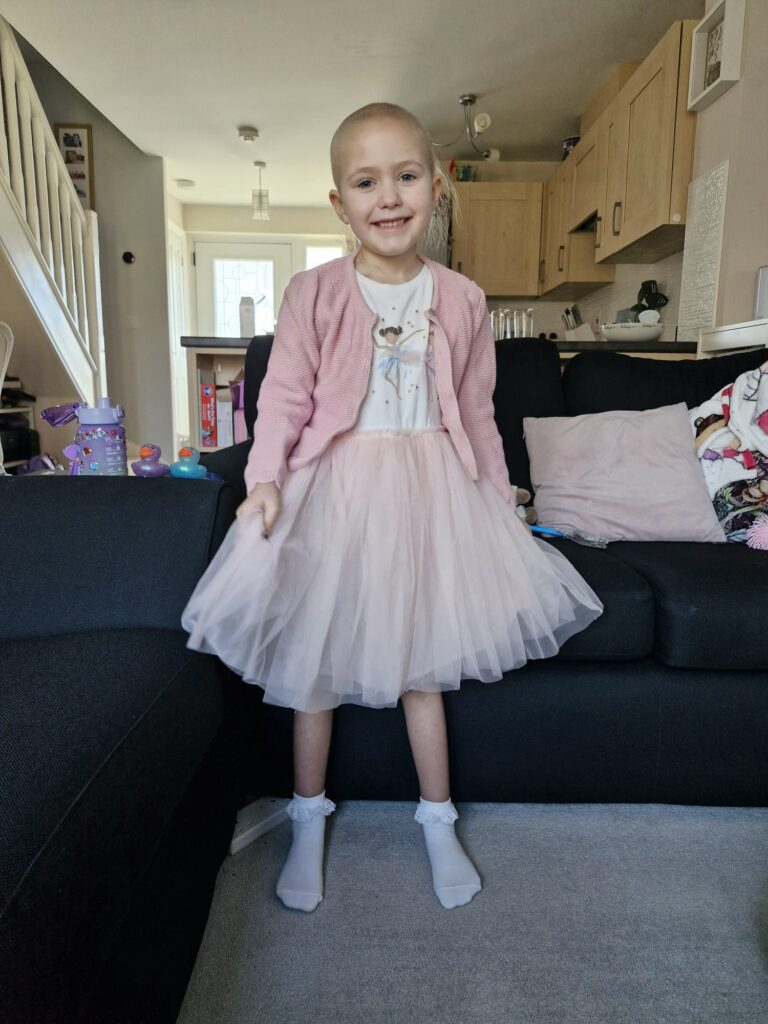
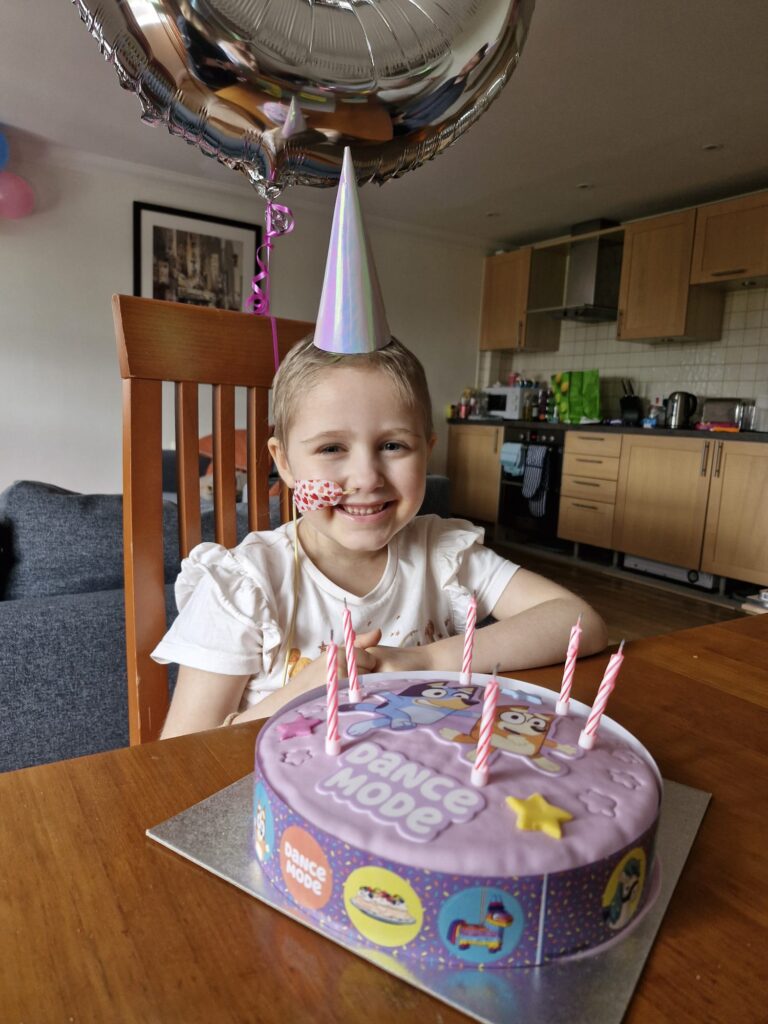

Thank you for reading Isla's Story
Read our inspiring patient stories

“You Might Have To Give Birth At 25 Weeks”
Cure Leukaemia Announced as Sir Chris Hoy’s Tour de 4 Charity Partner

Close To A Cure with Sir Jason Kenny and Dame Laura Kenny

“We Know Trials Save Children”
Lee’s Story
ATICUS Network Reaches Major Milestone with Appointment of National Project Lead
AMMO Trial Phase 2 Clinical Trial presented at ASH Conference

“I Decide When I Go, Not the Disease”