Neil’s Story
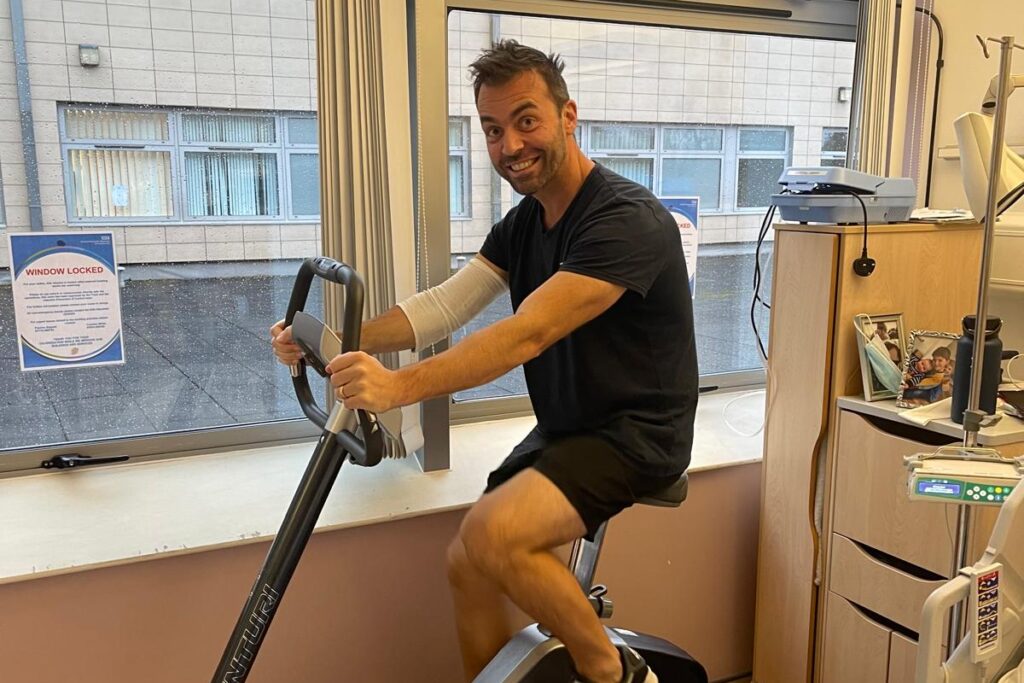
Neil Morris, a 44-year-old HR director from Abingdon, Oxfordshire, had always been fit and active, completing marathons and…

Find out more about how Cure Leukaemia's funding impacts patients in Oxford and surrounding areas
Cure Leukaemia is proud to play a vital role in supporting blood cancer patients across Oxford. At the Churchill Hospital, we fund a dedicated clinical research nurse who ensures patients have access to pioneering treatments and potentially life-saving clinical trials.
Together, these efforts help to provide hope, innovation, and improved outcomes for people facing blood cancer in our city.
It’s crucial that we continue our activity in clinical trials and it’s vital we expand the access that patients have for clinical trials as we don’t want that access to be restricted to just some regions. We don’t want a postcode lottery for trial access and more and more, it’s becoming clear that really powerful treatments are going to be available for patients through these clinical trials. Therefore, it’s crucially important that organisations like Cure Leukaemia continue to raise money to fund research nurses in major NHS hospitals throughout the United Kingdom so that patients can access these clinical trials.

Discover which clinical trials have been delivered in Oxford, with support of funding from Cure Leukaemia
This pioneering Phase 2 platform trial is evaluating Zanubrutinib therapy in adults with relapsed brain lymphoma. In the first year, 20 patients with this rare and aggressive blood cancer were recruited, with first results due to be presented at an international conference next month. Later this year, recruitment will re-commence for a further 20 patients using a world-first three-drug combination, offering long-term hope for those facing limited treatment options.
Focused on patients with Myelofibrosis, the Fedora trial is tackling a critical area of unmet need, gathering information about whether a combination of treatments is tolerated, and whether it provides a therapeutic benefit to patients. The FEDORA Trial has now completed recruitment, with results expected to be published soon.
One of the TAP Network’s highest recruiting studies, AMMO trial tests a new drug in treating and extending the lives of patients with a rare bone marrow cancer, where treatment options are very limited. The treatment can be taken orally at home, making it much more convenient for patients. The trial has just concluded and results are expected to be published at the end of 2025.
A Phase 2 randomised trial for adults with Richter’s syndrome, a rare and aggressive form of lymphoma. The STELLAR trial is the first randomised trial for Richter’s syndrome in the UK, and it demonstrates the nation’s growing ability to run trials in rare diseases. The study also includes crucial translational research that will help tailor future therapies.
Neil’s Story
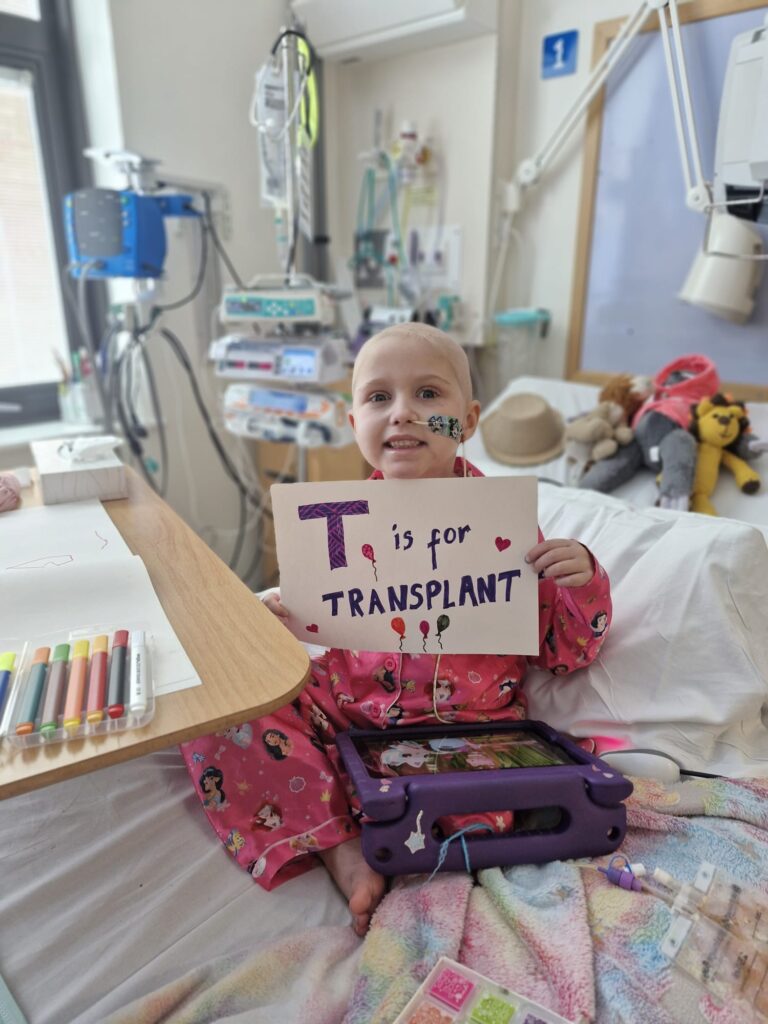
Isla’s Story
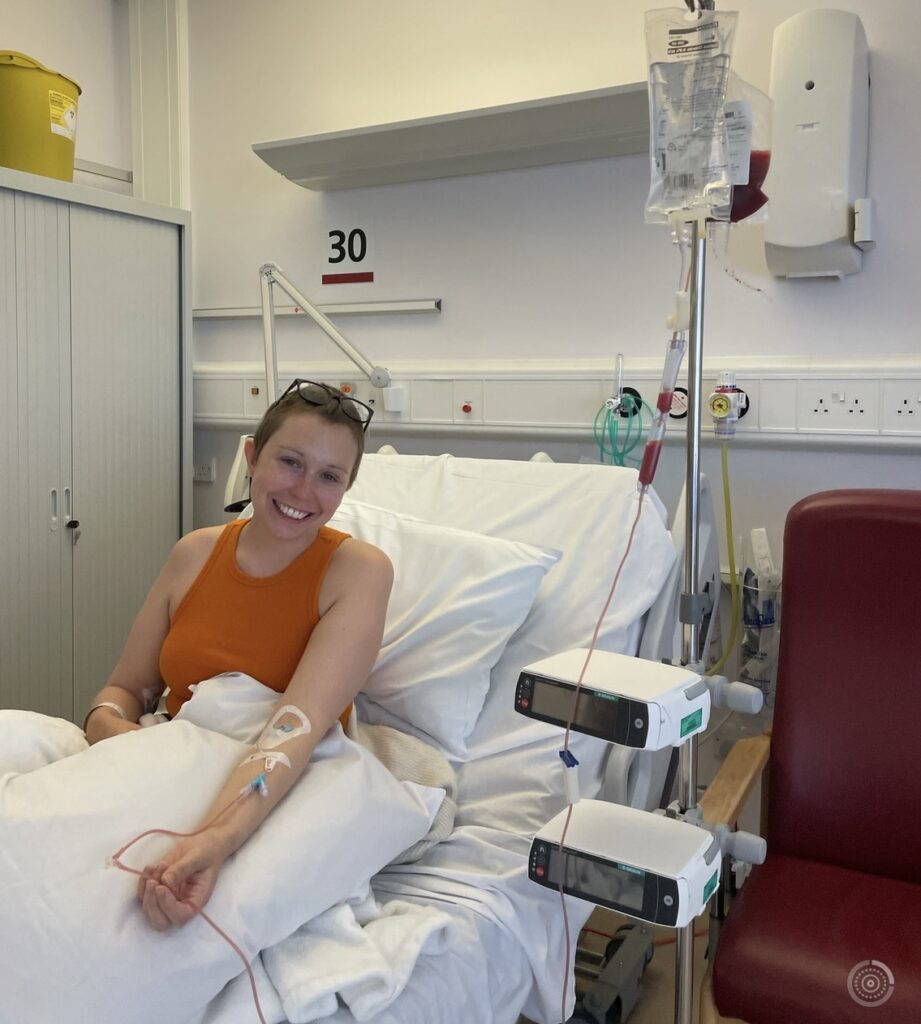
Maddie’s Story
Get involved in some of our upcoming events in Oxford and raise vital funds to help us continue to support patients across the region