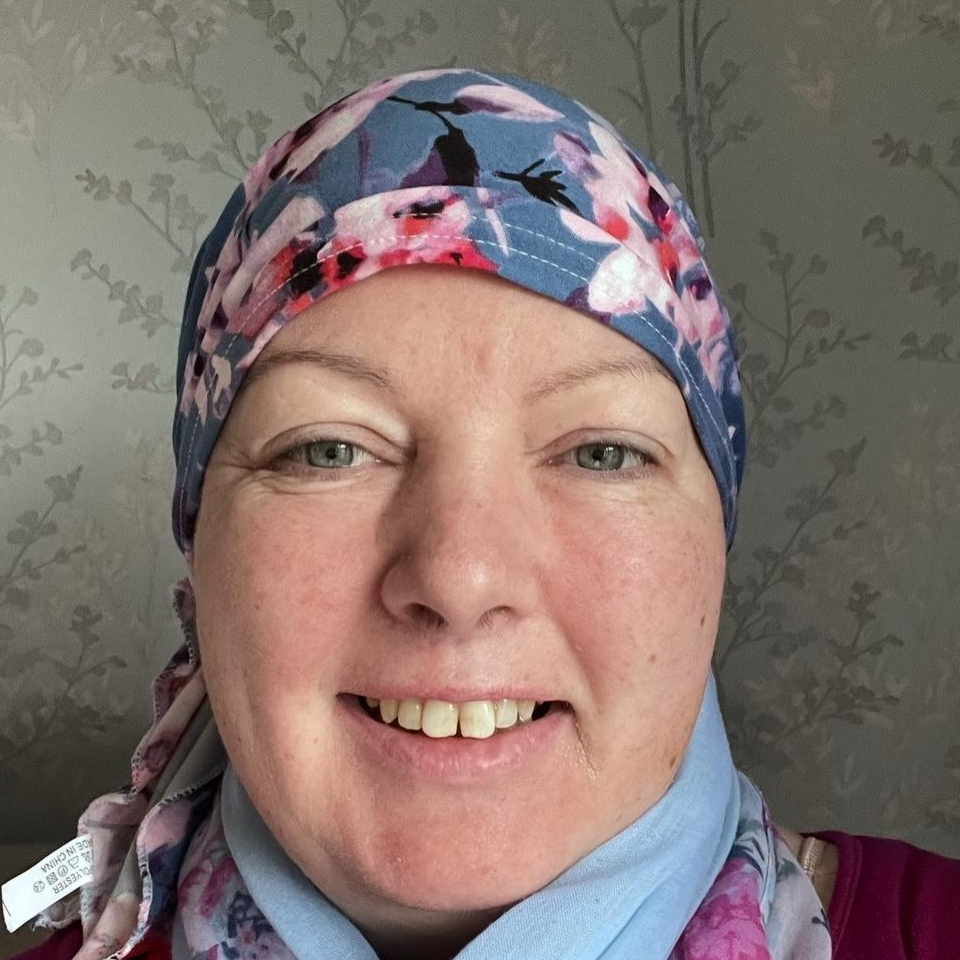
Caroline was given the opportunity to participate in The OptiMATe trial, an international clinical research study funded by Cancer Research UK aiming to improve treatments for PCNSL , with the trial also running in Germany, Italy, and Austria.
“I just feel extremely grateful and lucky that I’ve got the opportunity to be on the trial,” she said.
Clinical trials like OptiMATe are crucial for rare diseases like PCNSL, where treatment options are limited. Caroline knows firsthand how important these studies are, not just for herself but for future patients. “Without the funding and a clinical trial, my outcome could have been very different” she acknowledged. “People don’t realise how vital research is until they are in a position like mine.”
Led in the UK by Professor Chris Fox, Consultant Haematologist at Nottingham University Hospitals NHS Trust, and coordinated by the Southampton Clinical Trials Unit, The OptiMATe trial involves a combination of chemotherapy and targeted drugs. If the treatment proves effective, it is followed by high-dose chemotherapy and a stem cell transplant using the patient’s own cells.
While Caroline is grateful for the opportunity, she does not sugarcoat the gruelling nature of her treatment. Yet, despite the physical and emotional toll, she remains hopeful that her participation will pave the way for better therapies.
She recalls the support from the Clinical Team at Nottingham University Hospital as incredible. Her dedicated research nurse, Abigail Sutcliffe was approachable and consistently available to address any questions she had. Gaining a clear understanding of her treatment made her feel more at ease.
While Caroline’s experience highlights the impact of clinical trials for newly diagnosed patients, research is also critical for those who relapse or don’t respond to initial treatment. Another example of an innovative trial tackling this difficult to treat disease is the PRiZM+ trial – a TAP-funded study supported by Cure Leukaemia.
PRiZM+ focuses on patients with relapsed or refractory PCNSL, for whom treatment options are extremely limited and outcomes can be poor. This trial is investigating a promising new combination of therapies aimed at overcoming resistance to previous treatments. It represents a vital lifeline for patients who have already endured the toughest aspects of this disease and are in urgent need of alternatives.
Like OptiMATe, PRiZM+ is pushing the boundaries of what’s possible in PCNSL care. Together, these trials reflect the critical role of research in driving forward better treatments.
A Wish for Kinder Treatment
Caroline’s current care includes MRI scans and blood tests every three months, along with support from a clinical psychologist. She remains vocal about the importance of research and funding for rare blood cancers like PCNSL. Her ultimate wish is that her experience contributes to progress.
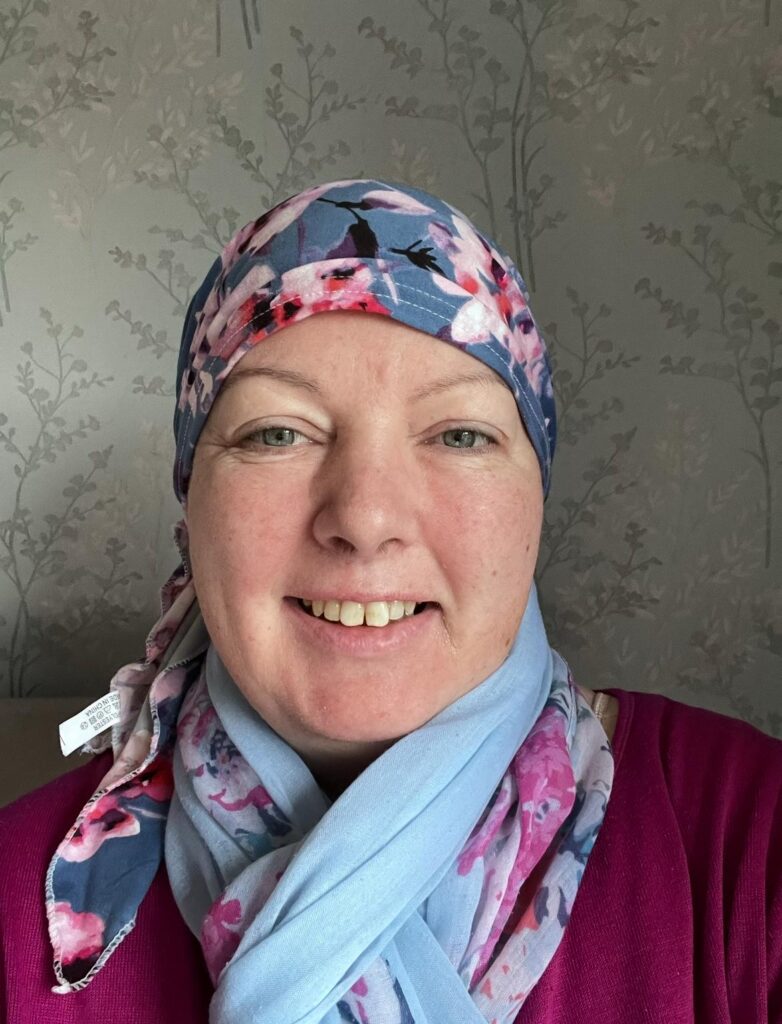
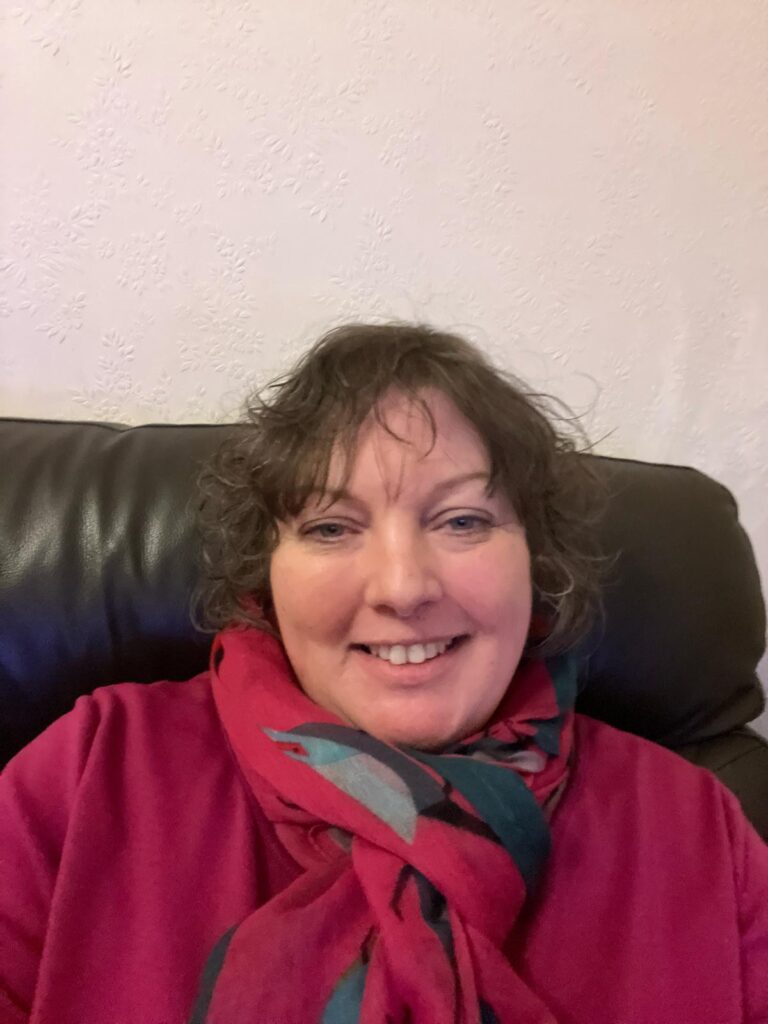
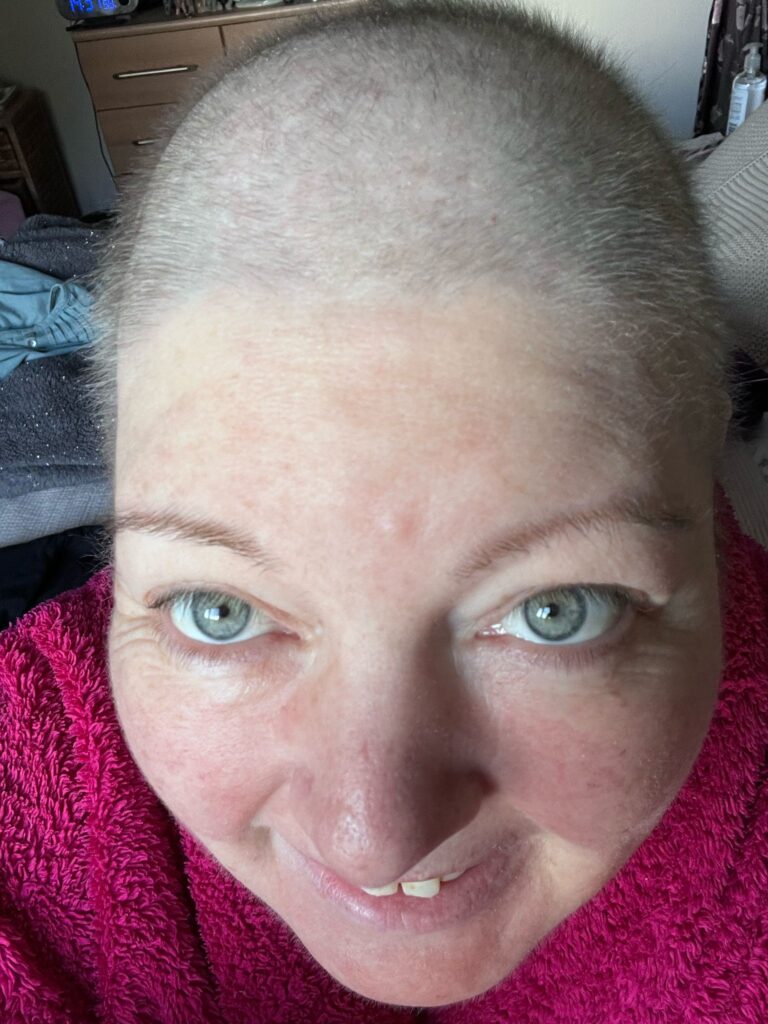
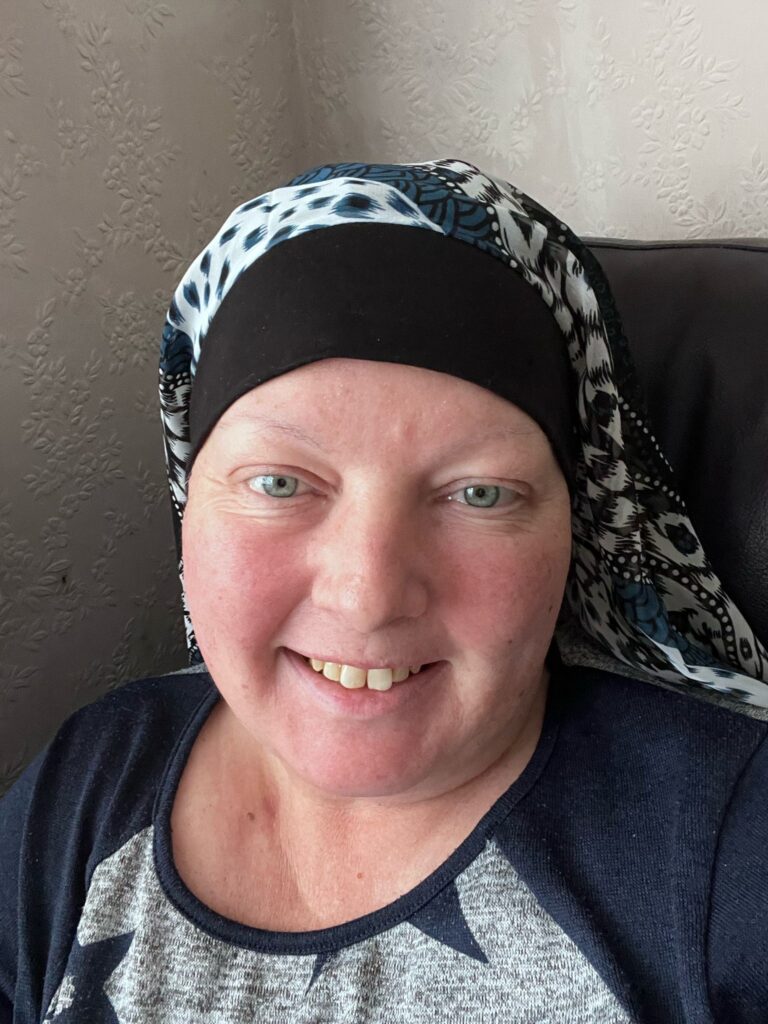
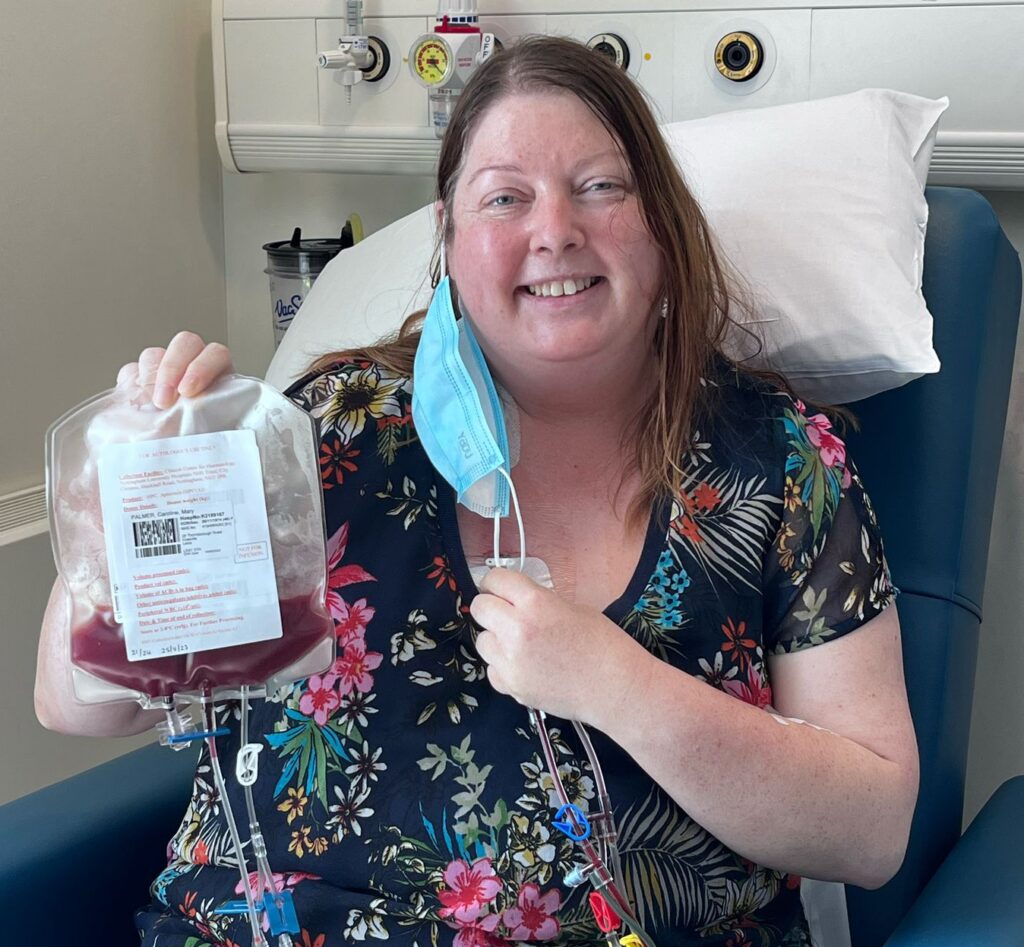
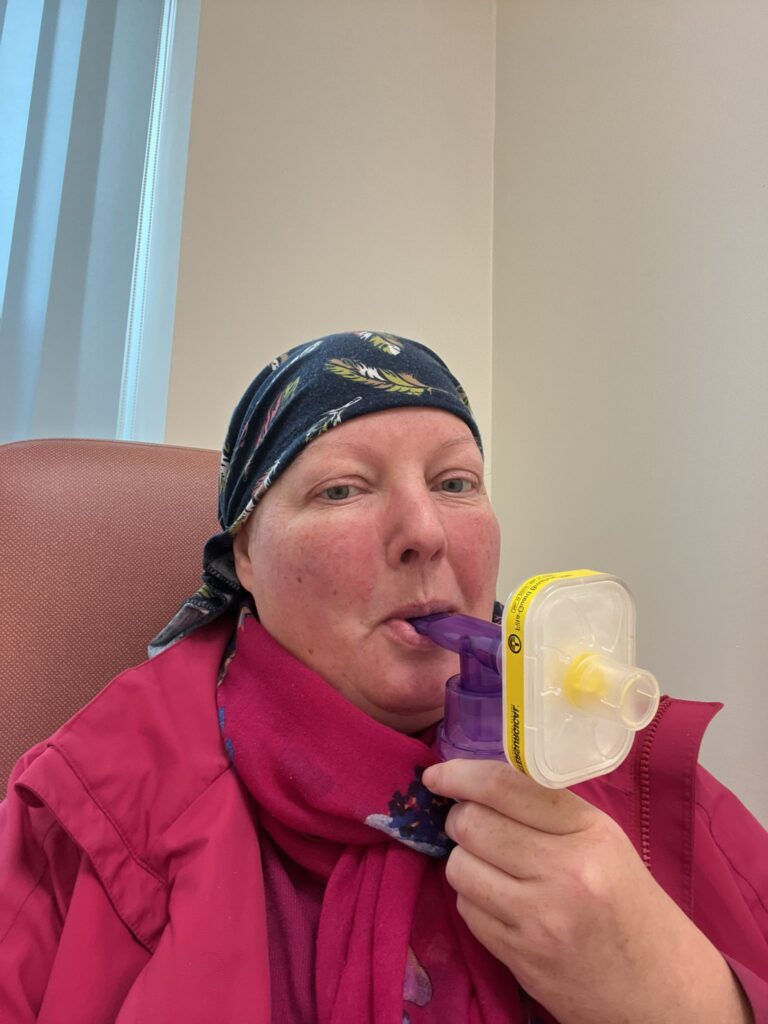
Thank you for reading Caroline's Story
Read our inspiring patient stories
Lee’s Story
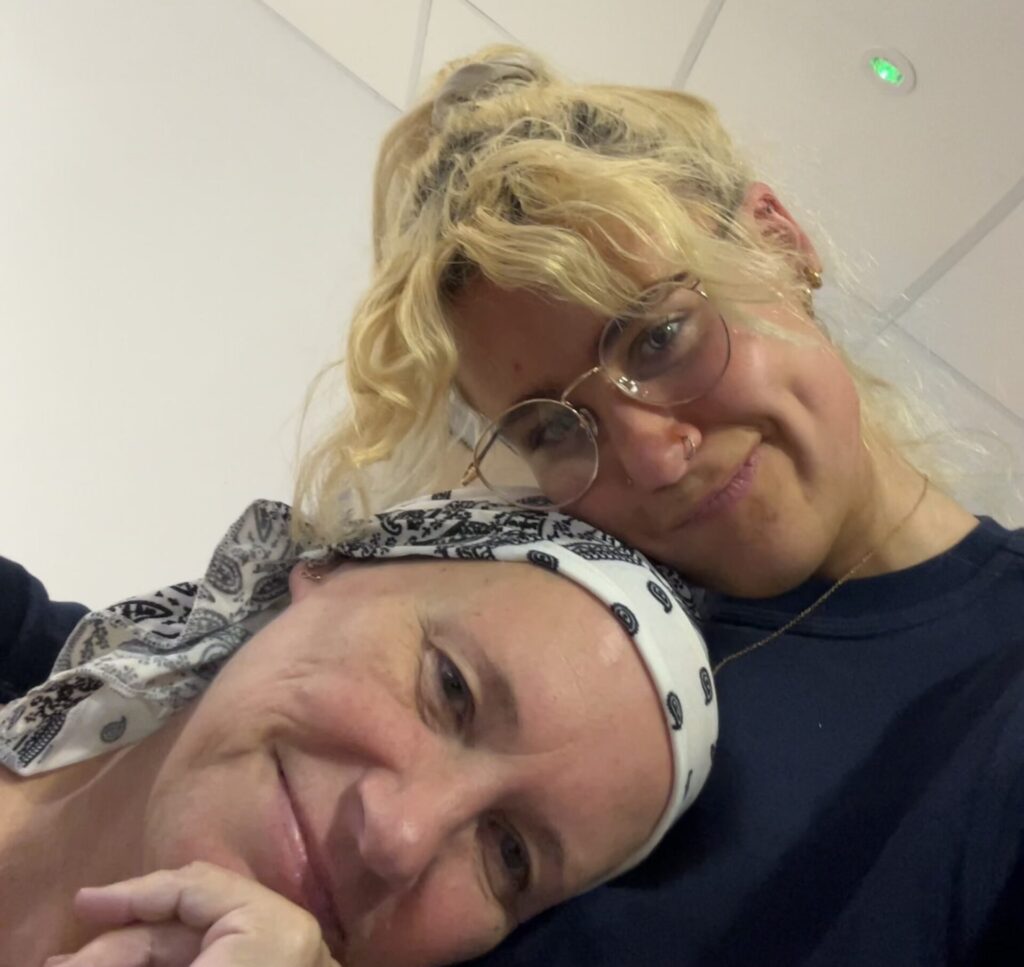
Abigail’s Story
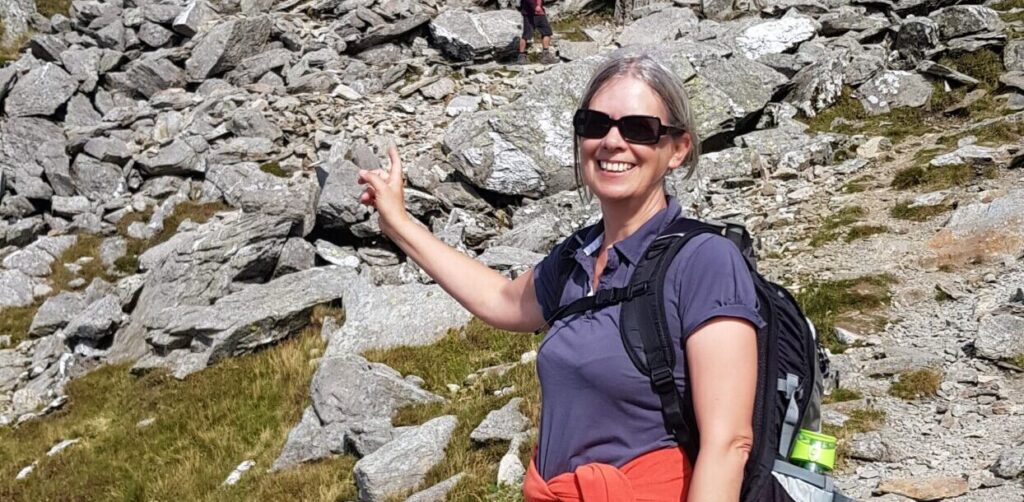
Christine’s Story
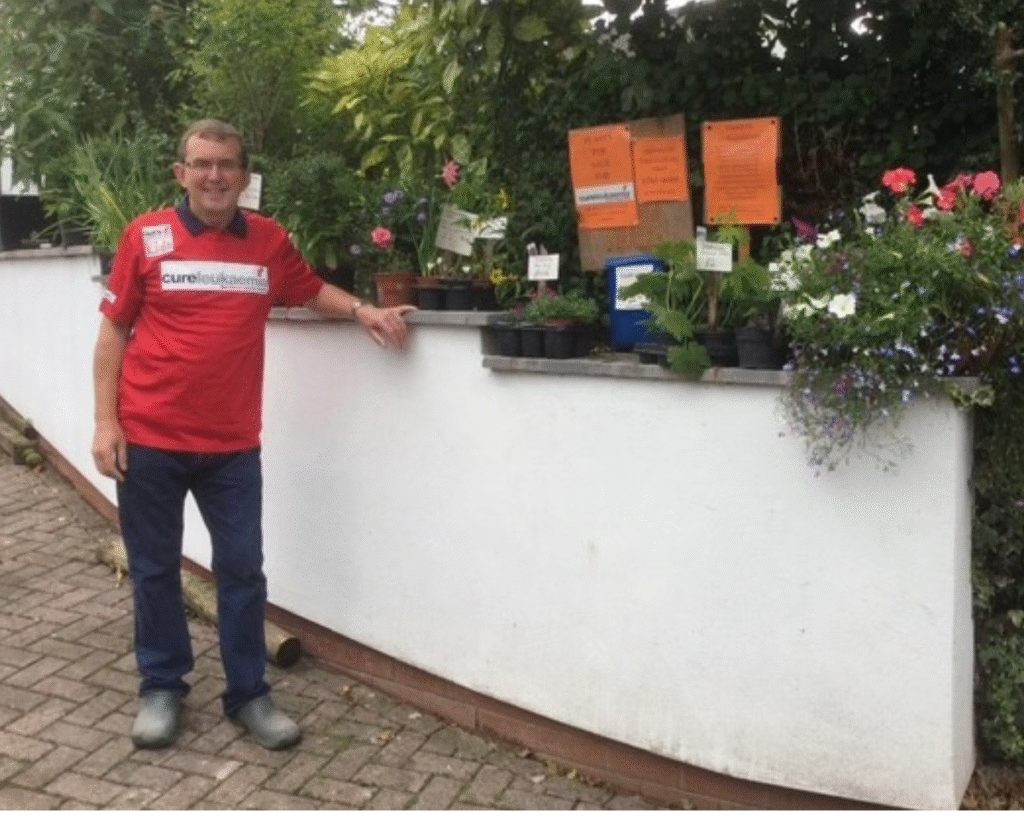
Steve’s Story
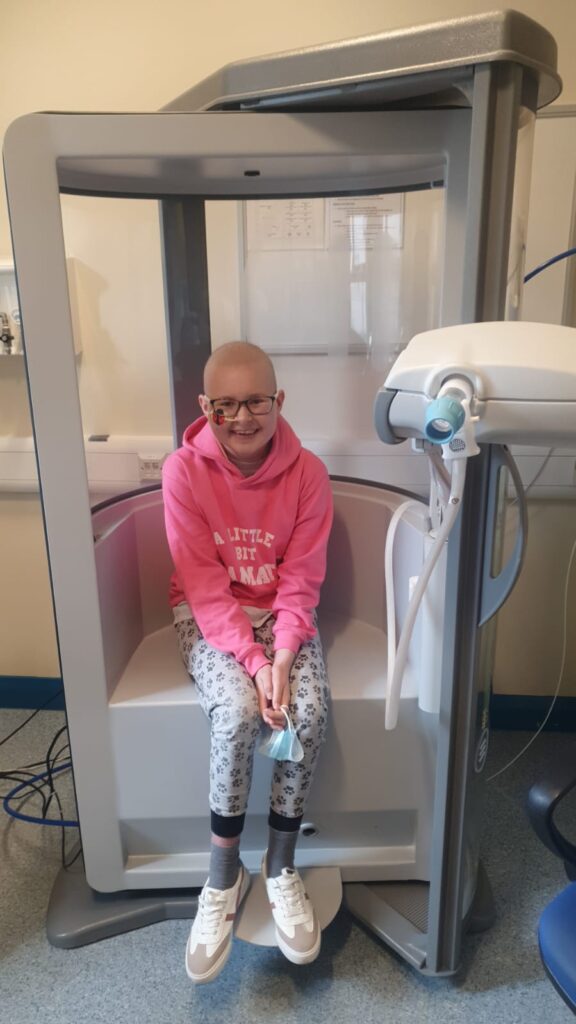
Alyssa’s Story
Hughie’s Story

Morgan’s Story
Kathryn’s Story
Elizabeth’s Story