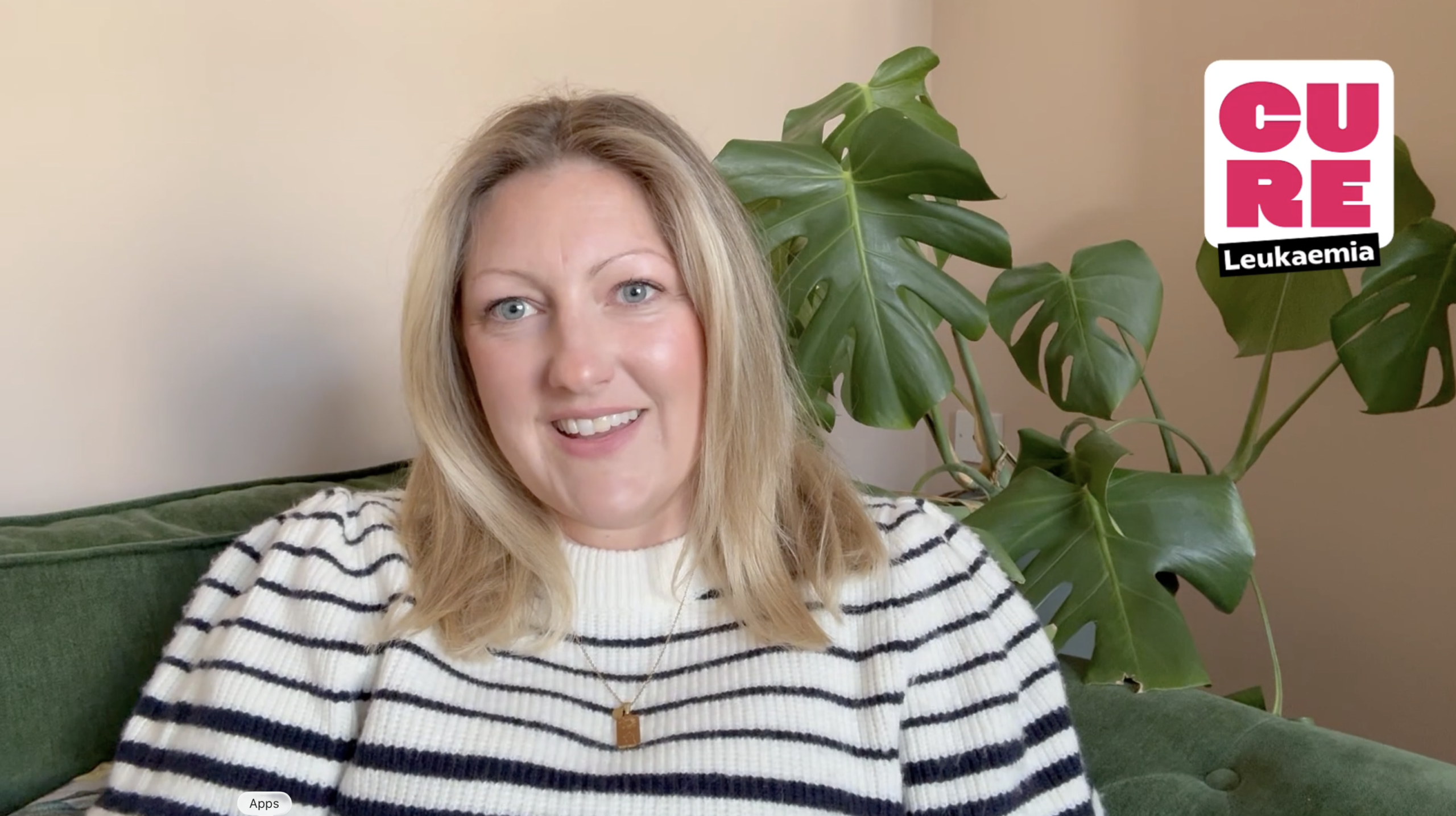
Cure Leukaemia Appoints Kirsty Thomas as Project Lead for World-First ATICUS Network
On International Clinical Trials Day, Cure Leukaemia are delighted to announce the appointment of Kirsty Thomas as the first National Project Lead for the ATICUS Network (Accelerating Trials in Children Undergoing Stem Cell Transplant). Kirsty will sit within our partner clinical trials operational hub, Accelerating Clinical Trials Ltd (ACT), which is a not for profit specialised blood cancer clinical trials social enterprise.
The ATICUS Network is a pioneering collaboration linking 11 leading children’s hospitals across the UK. This world-first national clinical trial infrastructure is specifically dedicated to paediatric stem cell transplants, ensuring young patients have the same access to innovative, life-saving treatments as adults.
The appointment transitions ATICUS from a visionary concept into an operational reality. Over the next twelve months, the network has set ambitious targets to build a sustainable foundation for paediatric research:
- Establishing the core infrastructure across all 11 UK sites.
- Recruiting and integrating dedicated research nurses to manage the set-up and administration of trials.
- Enabling the first clinical trial set up within 12 months, strengthening collaboration, addressing longstanding barriers in paediatric care.
Speaking on her appointment, which officially begins on June 1st, Kirsty Thomas expressed her pride in taking on the role:
I am so privileged to be taking the ATICUS Project Lead role. This is a vital next step that patients, families, clinicians, and fundraisers have been hoping for: a truly connected paediatric trials network
For years, the medical community has campaigned for a coordinated way for children to participate in vital studies. Dr. Katharine Patrick, Consultant Paediatric Haematologist at Sheffield Children’s Hospital, highlighted the significance of the move:
We’ve been talking about and fundraising for ATICUS for quite a few years now. With Kirsty’s appointment, it really feels like the project is up and running
Professor Rob Wynn, Consultant Paediatric Haematologist at Royal Manchester Children’s Hospital, emphasised the long-term aspirations:
This is such an important first step. It will be followed by steps that lead to the opening of our network and the opening of trials, making a difference for the kids that we look after
Hughie Higginson, a blood cancer survivor who was diagnosed as a child and has since become a tireless ambassador of Cure Leukaemia, shared his perspective on why this role matters:
When I was going through treatment, you realise how much we need better and kinder ways to get better. Seeing the Project Lead appointed for ATICUS is amazing because it means more kids will get access to new trials and better chances. It’s what we’ve all been working so hard for.
This appointment has been made possible by the unwavering dedication of Cure Leukaemia supporters. Their ongoing commitment has secured this as a three-year appointment, allowing the network to attract and retain the best talent to lead this life-saving work.
James McLaughlin, Chief Executive of Cure Leukaemia, added:
I am delighted that Kirsty will be joining us on a 3 year agreement as her appointment is the first key step of our aim to open the ATICUS network across the UK.
I’d like to say thank you to all our supporters that have donated and raised funds towards ATICUS to date and particularly those that have supported us via our Club 10 Membership, our Big Give Christmas Campaign and taking part in The Route and Sir Chris Hoy’s Tour de 4.
The network will cost £1,000,000 per year and our ongoing focus remains to provide the long term funding that is required to ensure that we can be fully operational across all 11 ATICUS Hospitals so we can provide more hope for children with this cruel disease
By accelerating the delivery of new drug and transplant combinations, ATICUS aims to make transplants safer, reduce long-term complications, and ultimately improve survival rates for children across the country.