For 16-year-old Will and his family from Hertfordshire, being close to home during his treatment for leukaemia has been a lifeline. Will’s journey has been marked by resilience, innovation in medical care, and the profound impact of geography on a family’s experience.
In July 2021, at the age of 13, Will began experiencing a range of symptoms, including extreme fatigue, puffy eyelids, and hearing problems. Initially, these seemed unrelated, but blood tests revealed the severity of his condition. “We didn’t expect it to be anything so serious,” his mum recalls. “But when the doctor came to our door in the middle of the night, insisting we go straight to Addenbrooke’s, we knew something was very wrong.”
Will was diagnosed with Acute Myeloid Leukaemia (AML) and began six months of intensive chemotherapy. With COVID restrictions in place, visits were limited to one parent at a time, and his older sister was unable to see him for the entire duration of his hospital stay. “It was isolating for all of us,” his mum says. “We were in a ‘cancer bubble,’ away from friends and family, trying to stay strong for Will.”
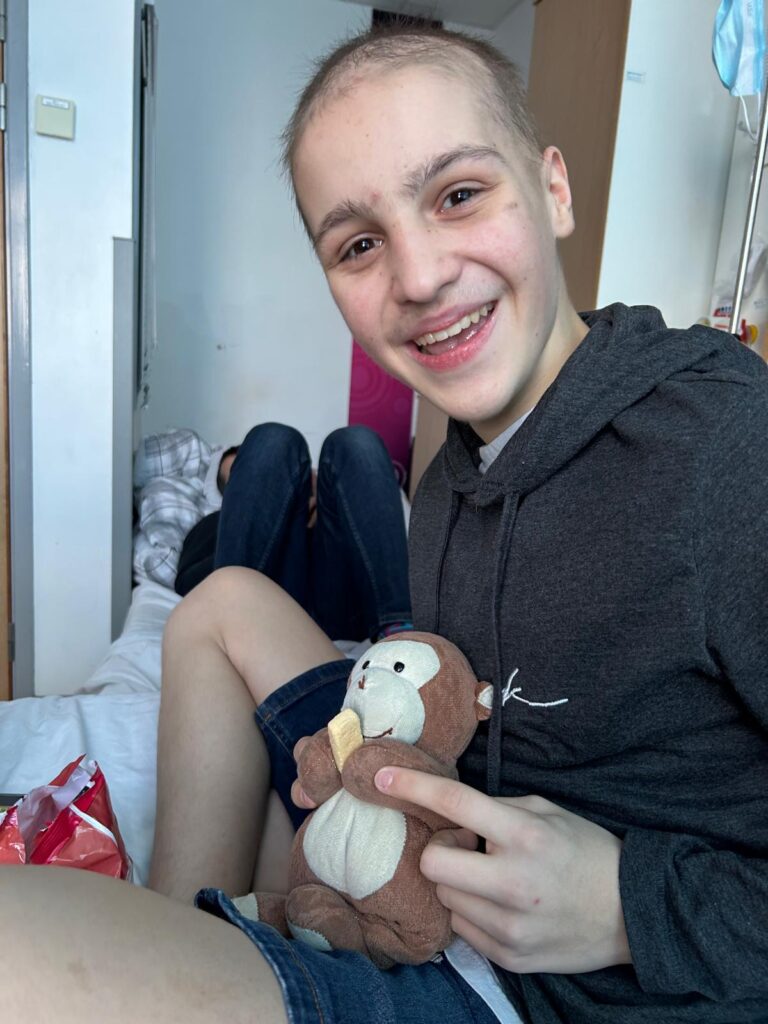
After four rounds of chemotherapy and six months in the hospital, Will rang the remission bell in February 2022, and the family tried to return to a sense of normality. However, just a year later, routine diabetes blood tests revealed low neutrophils and raising concern that his cancer may had returned. Further investigations revealed that his cancer had returned, and this time a bone marrow transplant was his only curative option.
Previously, families in similar situations had to travel hundreds of miles to Bristol or Manchester. “The stress of relocating for months at a time is unimaginable,” explains Paediatric BMT Dr Gemma Barnard. “Being close to home allows families to maintain some stability and draw strength from their support networks.”
Will’s mum agrees: “If we’d had to go to Bristol, it would’ve been devastating. We wouldn’t have had the support of friends and family, or even the comfort of familiar surroundings. Staying close to home made an unbearable situation just a little more manageable.”
Fortunately, Addenbrooke’s had recently launched a paediatric bone marrow transplant service. Will became the first child to receive this treatment there, with his sister acting as his donor.
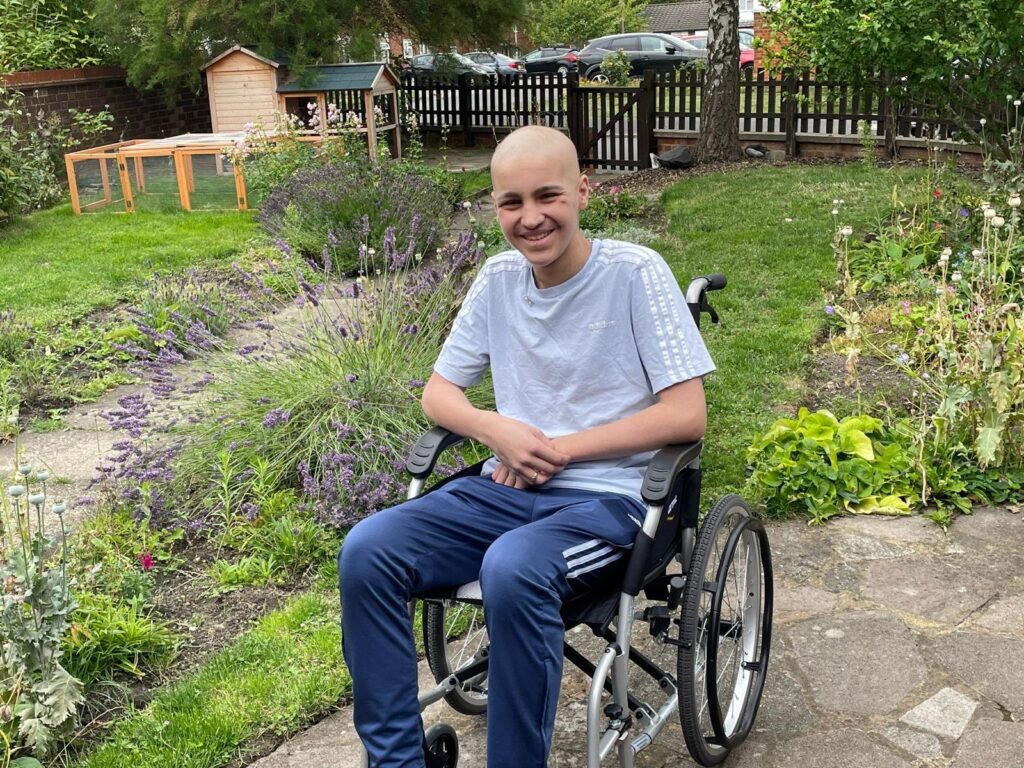
The ability to stay near home had a transformative effect on the Grocotts’ experience. They were able to maintain a sense of normalcy, with support from friends and family, even during the most challenging moments of Will’s treatment.
“Being close to home meant people could drop off meals and visit when we needed a boost,” his mum explains. “If we’d had to move to an unfamiliar city, it would’ve been unbearable. You rely on your networks during times like this.”
Gemma, highlights the broader importance of local care. “Families going through paediatric bone marrow transplants are already at their most vulnerable. Having to uproot their lives and travel hundreds of miles adds unnecessary strain. Staying close to home allows families to focus on their child’s recovery without the additional burden of isolation and financial stress.”
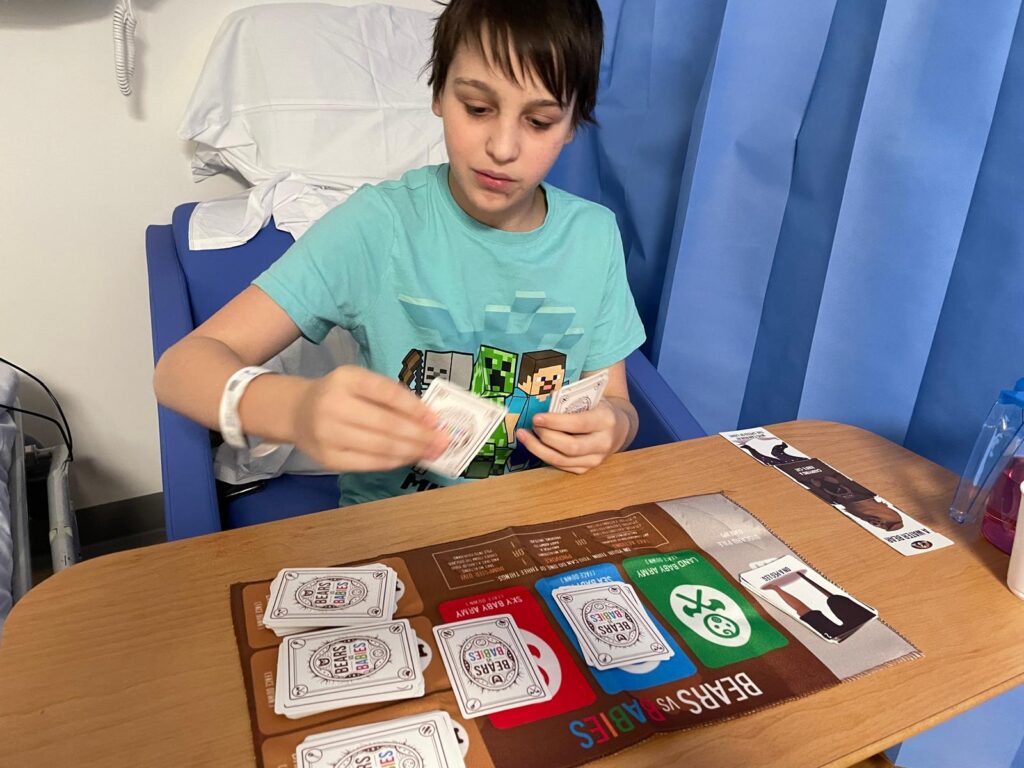
The ability to stay near home had a transformative effect on the Grocotts’ experience. They were able to maintain a sense of normalcy, with support from friends and family, even during the most challenging moments of Will’s treatment.
“Being close to home meant people could drop off meals and visit when we needed a boost,” his mum explains. “If we’d had to move to an unfamiliar city, it would’ve been unbearable. You rely on your networks during times like this.”
Gemma, highlights the broader importance of local care. “Families going through paediatric bone marrow transplants are already at their most vulnerable. Having to uproot their lives and travel hundreds of miles adds unnecessary strain. Staying close to home allows families to focus on their child’s recovery without the additional burden of isolation and financial stress.”
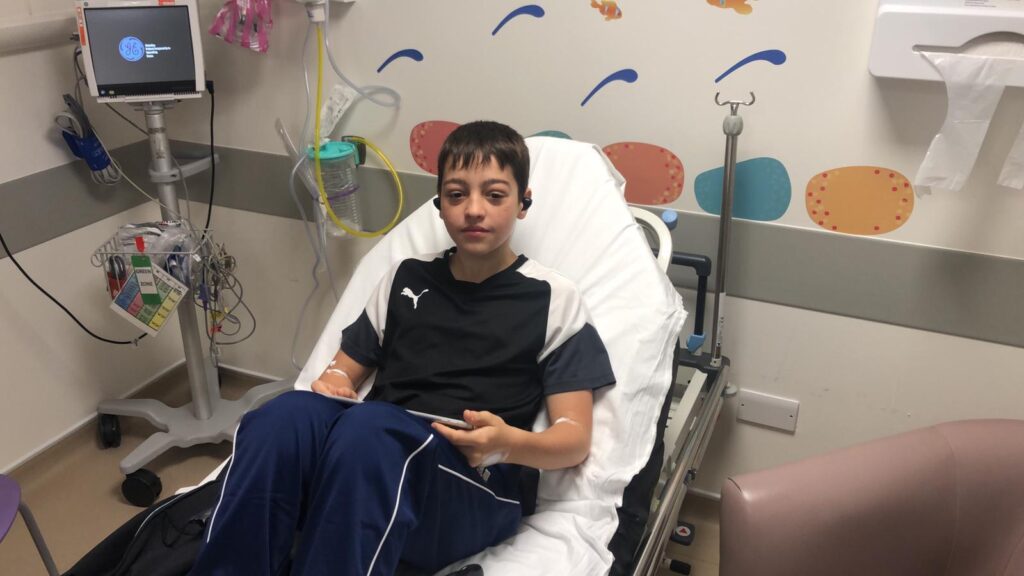
Will’s case also underscores the importance of innovation and access to clinical trials. The new ATICUS Network that Cure Leukaemia is aiming to fund will ensure children across the UK have access to innovative treatments without the burden of traveling long distances.
“Clinical trials give children like Will options they wouldn’t otherwise have,” Gemma explains. “By expanding trials across centres in the UK, we can ensure families aren’t forced into a postcode lottery where their treatment depends on where they live.”
For Will’s family, the proximity to Addenbrooke’s has been life-changing. “Being able to stay together during this has been vital,” his mum reflects.
Will’s treatment options have been shaped by Addenbrooke’s unique resources, but disparities persist across the country. Families in other regions often face relocation to access life-saving care or participate in clinical trials. But this is what The ATICUS Network is aiming to revolutionise, ensuring every child has access to innovative treatments without uprooting their lives.
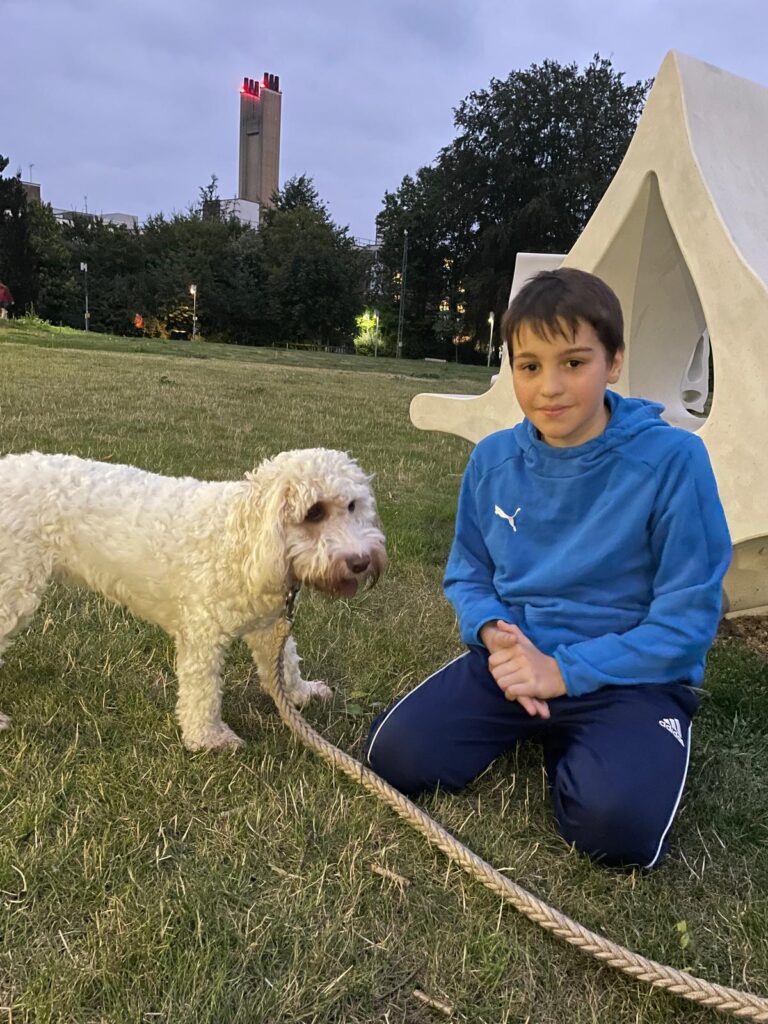
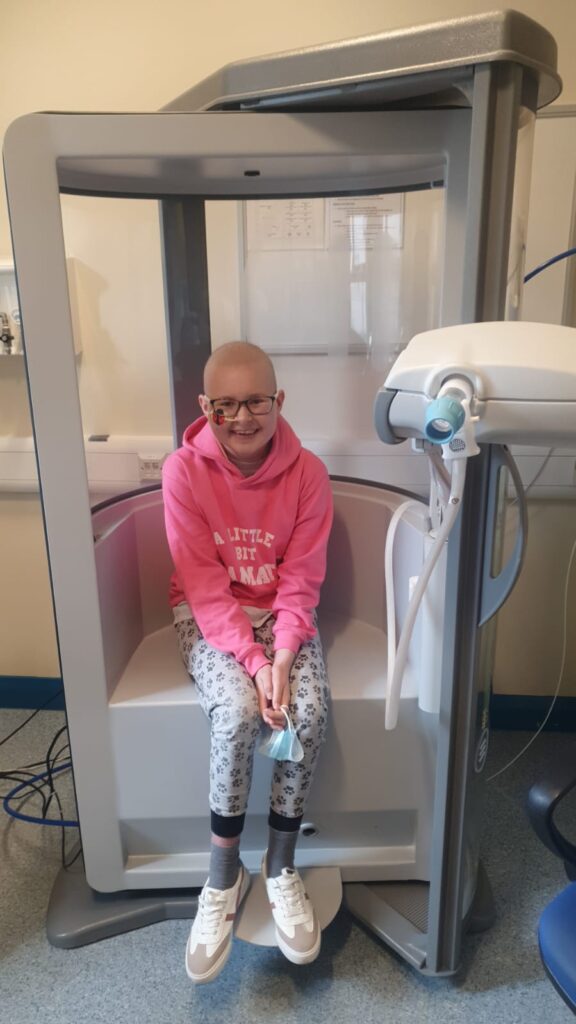
After his transplant, Will endured months of isolation and physical challenges, including hair loss and extreme exhaustion. Despite this, he returned to school and even managed to complete a GCSE. His journey has been marked by both the difficulties of treatment and the incredible strength he and his family have shown.
Looking ahead, Will remains on chemotherapy and may require another transplant. His family, however, are determined to face whatever comes next with the same resilience that has carried them through so far.
“No family should have to choose between staying together and getting life-saving care,” his mum reflects. “Being close to home made all the difference for us. It allowed us to focus on Will and gave us the strength to keep going.”
Will’s story is a powerful reminder of how localised care can transform outcomes, not just medically, but emotionally and socially. For the Grocotts, staying close to home was more than a convenience – its been a lifeline so far. Will is still undergoing treatment for his AML, and as his journey continues, we wish him and his family love, strength, and hope for the road ahead.
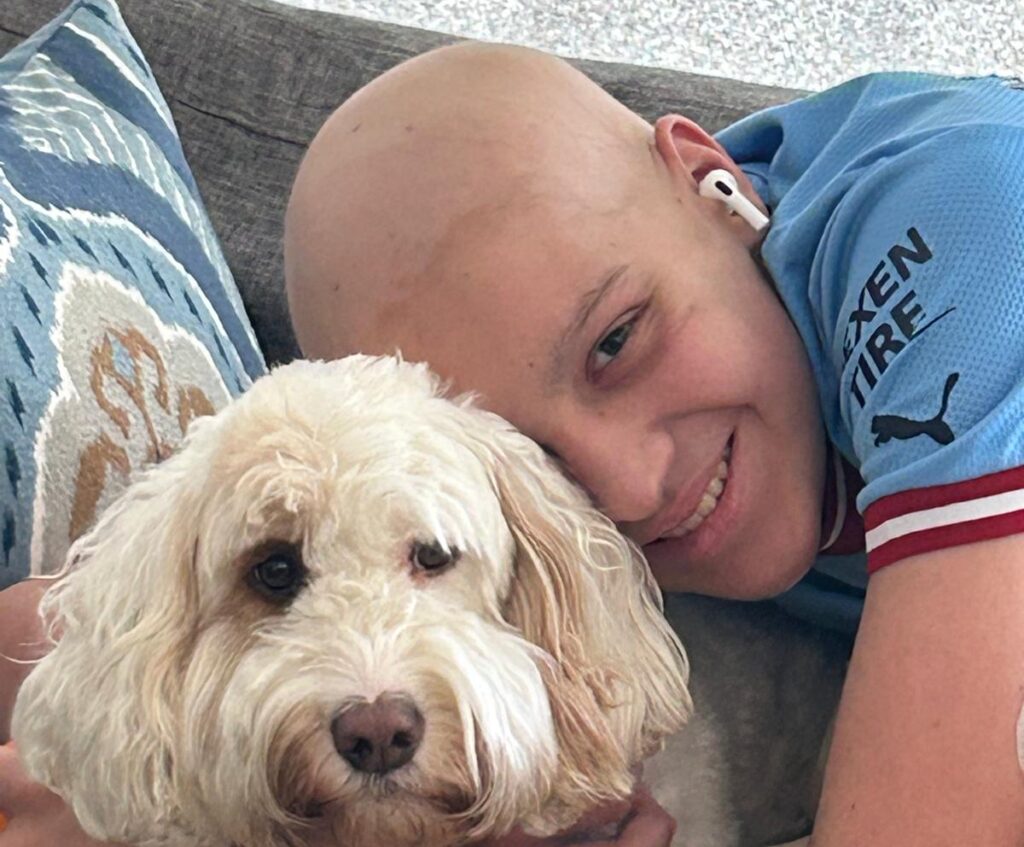
Thank you for reading Will's Story
Read our inspiring patient stories
Keith’s Story

The Harrigan’s Story

Sean’s Story
Nikodem’s story
Lee’s Story
Abigail’s Story
Christine’s Story
Steve’s Story
Alyssa’s Story